
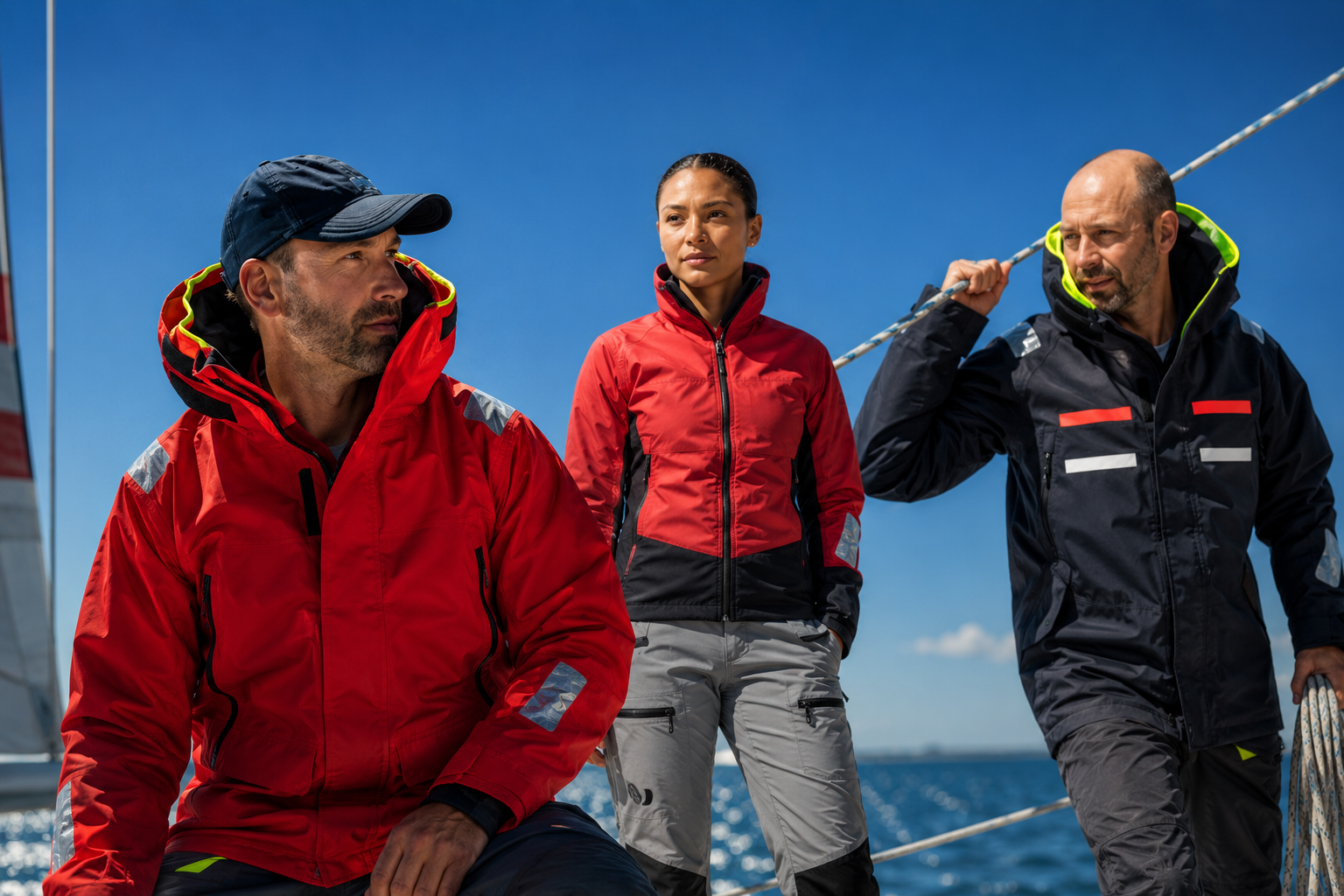
When it comes to outdoor gear, a lot of brands get hyped thanks to fancy marketing, celebrity ambassadors, or influencer campaigns. But few can back up their reputation with real-world performance in extreme conditions the way Helly Hansen can. Born in Norway in 1877, Helly Hansen started as a small company trying to keep sailors dry in the harsh North Sea. Today, it’s a global benchmark for waterproofing, breathability, and cold‑weather performance, making it a must‑have brand for hikers, skiers, mountaineers, and serious outdoor enthusiasts.
In this blog, we’ll explain why Helly Hansen stands out, break down its core technologies, and show how its gear performs on the trail, on the slopes, and in everyday outdoor adventures.
A Legacy Built on Real‑World Conditions
Helly Hansen’s story is one of the most compelling in outerwear history. The brand was founded by Norwegian sea captain Helly Juell Hansen, who wanted better protection for sailors battling freezing rain, snow, and saltwater spray. Using linseed Oil–treated wool, he created the first waterproof garments that actually kept crews dry without sacrificing warmth.
This heritage is important because Helly Hansen didn’t start as a fashion brand or a gym‑wear label. It was born in extreme, life‑or‑death environments—the North Sea, Arctic voyages, high‑mountain rescues. That mindset still shapes its product DNA today: function first, style second, and compromise never. For hikers and skiers, this means you’re not just buying a “cool‑looking jacket”; you’re buying gear that’s been tested where the conditions are the worst.
Helly Hansen vs. Generic Outdoor Brands
If you walk into a typical outdoor store, you’ll find a mix of budget raincoats, mid‑range hiking jackets, and premium technical shells. Many of the budget brands use cheap membranes or basic polyester coatings that feel okay in light rain but quickly soak through, trap sweat, or fail in wind. Helly Hansen sits firmly in the technical performance category, similar to brands like Arc’teryx, The North Face, and Patagonia—but often with better value for money and a more rugged, no‑nonsense design language.
Here’s where it stands out:
-
Uses advanced membranes and laminates (like Helly Tech, H2Flow, and 3‑layer systems) instead of basic PU coatings.
-
Focuses on full‑seam‑taped construction and YKK zippers for real waterproofing and durability.
-
Designs gear for cold‑weather activity (skiing, sailing, hiking in snow) rather than just “city‑ready” looks.
For hikers who regularly face sudden downpours, high winds, and cold nights, that difference is huge. A generic jacket might keep you dry for 20–30 minutes, then start leaking at the seams or zipper. A Helly Hansen shell can handle hours of continuous rain, snow, and wind without breaking down.
The Core Technology: Helly Tech and 3‑Layer Systems
At the heart of Helly Hansen’s reputation are its Helly Tech fabrics and 3‑layer construction systems. These technologies are what make its jackets so effective for hikers and skiers.
What Is Helly Tech?
Helly Tech is Helly Hansen’s proprietary waterproof and breathable membrane used across its Heli, Professional, and Performance lines. It comes in different grades:
-
Helly Tech Performance – Best for everyday use, like day hikes, light rain, and casual skiing.
-
Helly Tech Professional – Built for harsh, continuous exposure (storm weather, offshore sailing, heavy snow).
-
Helly Tech Protect – A more budget‑friendly version that still offers solid waterproofing for moderate conditions.
All versions use micro‑pores that let water vapor (sweat) escape while blocking liquid water (rain, snow) from the outside. The result is a jacket that keeps you dry on the outside and dry on the inside, which is critical for long hikes or full‑day ski sessions.
3‑Layer vs. 2‑Layer Jackets
Helly Hansen heavily uses 3‑layer construction for its best‑selling outdoor shells:
-
Face fabric – Outer layer treated with a Durable Water Repellent (DWR) coating that beads off rain.
-
Membrane – The Helly Tech core that manages waterproofing and breathability.
-
Liner – Inner layer that protects the membrane and adds comfort against the skin.
Three‑layer jackets are:
-
More durable – The membrane is sandwiched between layers, so it’s less likely to wear out or get scratched.
-
More breathable – Because the membrane is directly laminated, there’s less trapped air and less chance of condensation.
-
More packable – Despite being robust, modern 3‑layer shells are surprisingly light and compact.
For skiers and hikers on long routes, a 3‑layer Helly Tech shell is usually the best choice. It can handle storm days, heavy powder, and freezing temperatures without weighing you down or making you feel like you’re sweating inside a plastic bag.
Why Hikers Love Helly Hansen
Hiking is one of the best real‑world tests for any outdoor brand. You can’t hide from bad weather, harsh terrain, or sudden temperature drops. Helly Hansen earns its place in hikers’ backpacks for several reasons.
All‑Weather Protection
Many hikers only buy one “main” rain jacket and live with it for years. If that jacket is cheap and poorly made, every hike becomes a battle with dampness and condensation. Helly Hansen’s mid‑and‑upper‑tier hiking shells provide true all‑weather protection:
-
Keeps you dry in heavy rain and snow.
-
Prevents wind‑chill thanks to tight, windproof construction around the hood, cuffs, and hem.
-
Lets moisture escape during long ascents and fast climbs, so you don’t end up soaked in your own sweat.
For someone hiking in the Himalayas, Western Ghats, or the hills of Uttarakhand, that combination is a game‑changer on multi‑day treks.
Comfort and Fit for Long Days
Helly Hansen designs its hiking jackets with active movement in mind. Features you’ll commonly find include:
-
Articulated sleeves and ergonomic cuts that don’t restrict arm movement.
-
Adjustable hoods that fit well over helmets or hats.
-
Underarm zippers (pit zips) for quick ventilation when you’re working hard.
-
Multiple pockets, including chest and internal pockets for phones, maps, and headlamps.
These details make the jacket feel like an extension of your body, not a stiff layer that you constantly have to adjust.
Durability That Lasts Years
Hikers who travel on rough trails know that cheap zippers, thin fabrics, and weak seams won’t survive long. Helly Hansen uses YKK zippers, reinforced shoulders and elbows, and high‑tenacity face fabrics in many of its hiking shells. The result is a jacket that can handle:
-
Scrubbing against rocks, boulders, and tree branches.
-
Repetitive packed‑in‑bag use on multi‑day trips.
-
Repeated washing and exposure to dirt, mud, and salt.
For serious hikers, this means fewer replacements and better long‑term value, even if the upfront price is higher.
Why Skiers and Snowboarders Depend on Helly Hansen
On the slopes, the wrong gear can turn a fun day into a freezing, uncomfortable mess. Helly Hansen is particularly strong in the ski and snowboarding space, thanks to its heritage in cold‑weather outerwear.
Storm‑Ready Insulation and Layering
Helly Hansen’s ski jackets are built around its 3‑layer system plus targeted insulation. Many models use:
-
Primaloft or similar synthetic insulation that retains warmth even when damp.
-
Strategic venting (pit zips, back vents) to blow off heat during climbs or long chairlift rides.
-
Snow‑proof construction with sealed cuffs, powder skirts, and helmet‑compatible hoods.
This setup is ideal for powder days, stormy mornings, and high‑altitude pistes where temperatures can drop fast.
Breathability on the Mountain
One of the biggest issues skiers face is sweating inside their jacket during skin‑ups, hikes to the summit, or long groomed runs. Helly Hansen’s Helly Tech membranes and vented designs help by:
-
Moving moisture vapor out of the jacket quickly.
-
Reducing condensation buildup that can make you feel clammy and cold.
-
Keeping your mid‑layer (fleece or down) dry and functional.
Dry gear = warmer, more comfortable skiing, especially in long‑season resorts.
Style That Works Off‑Piste Too
Helly Hansen isn’t a brand that only looks good on the slopes. Its ski jackets often feature clean lines, muted colors, and subtle branding, so they look just as good in the city, on a room‑sharing trip, or at a café as they do on the mountain. For travelers and outdoor‑lifestyle enthusiasts, this dual‑style appeal is a big plus.
For Outdoor Enthusiasts: Sailing, Trekking, and Everyday Exploration
Beyond hiking and skiing, Helly Hansen is a favorite among sailors, climbers, and everyday adventurers who want maximum protection without sacrificing comfort.
Sailing and Water Sports
Helly Hansen’s Professional line is widely used by sailors and offshore crews. Features you’ll find on these jackets include:
-
Heavy‑duty waterproofing that can withstand constant saltwater spray.
-
High‑visibility highlights and reflective details for safety in low light.
-
Reinforced shoulders and forearms for frequent rope‑handling and gear contact.
Even if you’re not a professional sailor, that level of protection is useful for anyone who spends time on boats, lakes, or coastal areas during monsoon or winter.
Everyday Outdoor Use
For people who simply love being outside—walking in the hills, biking, or exploring cities—Helly Hansen makes all‑round jackets that are lighter and more versatile. These:
-
Offer good water resistance for light to moderate rain.
-
Provide wind protection without the bulk of a full ski shell.
-
Are easy to pack and layer with hoodies or sweaters.
That makes them perfect for weekend getaways, misty hill stations, and rainy city commutes in places like Delhi, Mumbai, or Bangalore.
Why Helly Hansen Is a Smarter Long‑Term Investment
Price is often the first thing people notice, but value over time is what really matters. Here’s why Helly Hansen is a smarter long‑term buy:
-
Lasts years, not seasons – Properly maintained, a Helly Hansen shell can easily last 5–10 years of regular outdoor use.
-
Holds resale value – High‑quality technical gear from Helly Hansen tends to retain value better than budget brands.
-
Warranty and repair culture – Many Helly Hansen products come with solid warranties and support, and the brand encourages repair and reuse rather than instant replacement.
When you compare a ₹15,000–20,000 Helly Hansen shell to a ₹4,000 generic jacket that you need to replace every year or two, the true cost per use of Helly Hansen is often much lower.
Final Thoughts: Why Hikers, Skiers & Outdoor Enthusiasts Should Choose Helly Hansen
Helly Hansen isn’t just another outdoor brand with a Scandinavian logo and a few trendy jackets. It’s a performance‑driven, heritage‑focused company that has spent over 140 years solving the same problems that hikers, skiers, and outdoor lovers face today: staying dry, staying warm, and staying mobile in tough conditions.
For the serious hiker, it means never worrying about your jacket failing in a sudden downpour.
For the ski or snowboard enthusiast, it means staying warm and dry on the slopes without feeling like you’re packed in plastic.
For the everyday outdoor person, it means having a reliable, stylish, and long‑lasting layer that works from city streets to mountain trails.
If you’re planning your next hiking or skiing season, Helly Hansen deserves a top spot on your gear list—not just as an option, but as your default choice for serious outdoor performance.